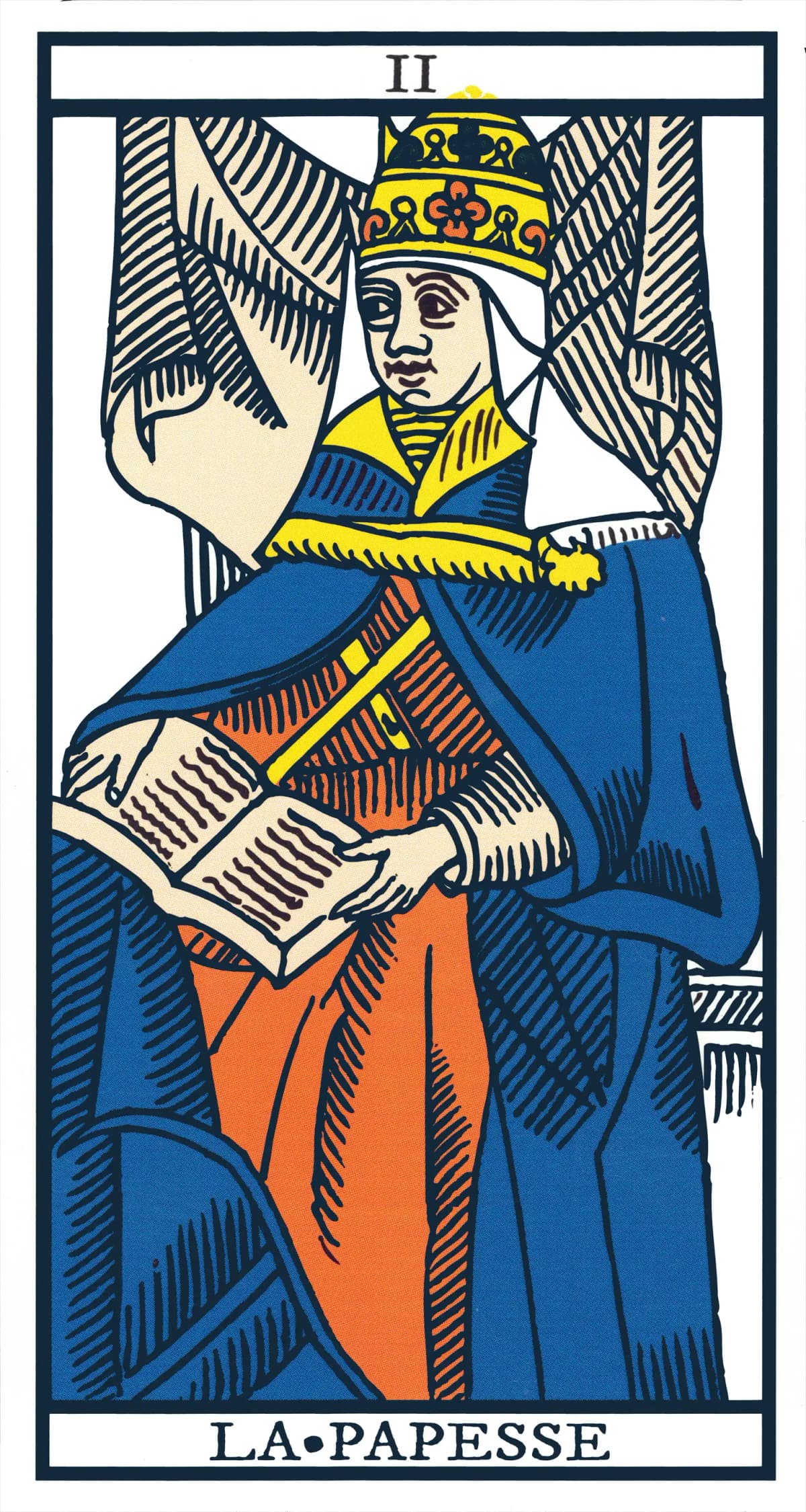
 arcana
La Papesse
Intériorité, savoir, attente fertile. Invite à observer, lire entre les lignes, mûrir avant d’agir ou de parler.


Sacred teaching and tradition: the bridge between divine wisdom and human understanding, transmitted through institutions, rituals, and mentors.
Upright : The Hierophant upright points you toward established wisdom, shared systems, and trusted mentors. This is not the time to reinvent the wheel: there is a tradition, a method, or a teacher that has already walked the path you are on. Join the class, follow the protocol, work within the system — at least for now. The Hierophant also speaks to community and belonging: shared values, group rituals, and the comfort of being part of something larger than yourself. He is the card of education, mentorship, and the transmission of knowledge from those who have gone before.
Reversed : The Hierophant reversed urges you to question the rules. A tradition, institution, or authority figure may be holding you back rather than guiding you forward. This can mean breaking free from religious, cultural, or professional orthodoxy that no longer serves you. It can also signal hypocrisy: someone preaches values they do not live. Alternatively, the reversal may indicate an unconventional path — you are being called to be your own teacher, create your own tradition, or forge a unique approach. The question is: are you rebelling with wisdom or just rebelling?
A robed religious figure sits on a grey stone throne between two grey pillars, wearing a triple-tiered papal crown (the triregnum) and red vestments. In his left hand he holds a triple-cross scepter; his right hand is raised in a gesture of blessing, two fingers pointing up and two curled down — the sign of esoteric teaching. At his feet, two tonsured acolytes kneel, one in a robe patterned with red roses, the other with white lilies. Two crossed keys lie on the floor between them.
The setting is austere and interior — a stone temple or church. The two grey pillars echo the High Priestess's pillars but without the veil: the Hierophant's wisdom is public, institutional, available to initiates. Smith's flat rendering and muted palette give the scene a Byzantine, icon-like quality — timeless and formal.
Waite renamed Le Pape as The Hierophant — a Greek term meaning 'the one who shows the sacred' — to distance the card from specific Catholic associations and broaden it to universal spiritual teaching. In the Golden Dawn system, the Hierophant is linked to Taurus and the Hebrew letter Vav (nail/hook), representing the fixed, grounding quality of tradition. Smith's illustration deliberately mirrors and contrasts the High Priestess: where she guards hidden knowledge, the Hierophant disseminates established doctrine.
The Hierophant represents the super-ego in its constructive form: the internalized voice of culture, tradition, and shared values that gives structure to the inner world. He is the archetype of the wise teacher, the elder, the keeper of communal knowledge. In Jungian terms, he mediates between the individual and the collective — helping the psyche navigate the tension between personal truth and social belonging.
The shadow Hierophant is the corrupt institution, the dogmatic teacher, or the cult leader who demands obedience over understanding. He uses spiritual authority for control, punishes questioning, and confuses the map with the territory. Internally, the shadow appears as blind conformity — following rules without understanding their purpose — or as reflexive rebellion against all tradition, even the wise kind.
The Hierophant upright points you toward established wisdom, shared systems, and trusted mentors. This is not the time to reinvent the wheel: there is a tradition, a method, or a teacher that has already walked the path you are on. Join the class, follow the protocol, work within the system — at least for now. The Hierophant also speaks to community and belonging: shared values, group rituals, and the comfort of being part of something larger than yourself. He is the card of education, mentorship, and the transmission of knowledge from those who have gone before.
The Hierophant reversed urges you to question the rules. A tradition, institution, or authority figure may be holding you back rather than guiding you forward. This can mean breaking free from religious, cultural, or professional orthodoxy that no longer serves you. It can also signal hypocrisy: someone preaches values they do not live. Alternatively, the reversal may indicate an unconventional path — you are being called to be your own teacher, create your own tradition, or forge a unique approach. The question is: are you rebelling with wisdom or just rebelling?
Past : You were shaped by a tradition, a teacher, or a community that gave you your foundation.
Present : Seek guidance within an established framework — a mentor, a method, a practice.
Future : Institutional support or formal recognition is coming. Work within the system.
Advice : Trust the process. The answers you need have already been found by those who came before.
Situation : A question about tradition, belonging, or conformity.
Challenge : Blind obedience or reflexive rebellion — both miss the mark.
Resource : Accumulated wisdom, community support, established methods.
Outcome : Growth through learning and belonging — if you choose the tradition consciously.
Advice : Follow the path with open eyes. Take what serves you and leave the rest.
The Hierophant in a house shows where tradition, teaching, and shared values play a role. Reversed: where conformity, dogmatism, or institutional dysfunction need to be addressed.
Upright : You are seen as principled, trustworthy, and connected to a larger tradition.
Reversed : You feel pressured to conform to an identity that is not authentically yours.
Action : Articulate your core values in three sentences and live them visibly.
Watch out : Performing respectability instead of living truth.
Upright : Financial security through traditional, proven channels.
Reversed : Institutional financial advice that does not suit your actual situation.
Action : Get a second opinion on any major financial decision.
Watch out : Staying in a bad investment because 'everyone else does it.'
Upright : Communicating within established frameworks — formal writing, structured teaching, guided learning.
Reversed : Dogmatic communication that shuts down questions.
Action : Teach one thing you know well to someone who needs it.
Watch out : Lecturing when a conversation is what is needed.
Upright : A household shaped by shared values and meaningful rituals.
Reversed : Family traditions that feel oppressive or meaningless.
Action : Keep one family tradition that matters and release one that does not.
Watch out : Perpetuating dysfunction because 'it is how we have always done it.'
Upright : Learning traditional techniques that deepen creative skill.
Reversed : Creative expression stifled by adherence to established forms.
Action : Study a master in your creative field, then deliberately break one of their rules.
Watch out : Imitation without innovation.
Upright : Health and work routines based on evidence and tradition — they work because they are tested.
Reversed : Following routines on autopilot without questioning whether they still serve.
Action : Evaluate your daily routine: which habits are wise tradition and which are just habit?
Watch out : Doing something because you have always done it.
Upright : Partnerships formalized through shared vows, contracts, or cultural rituals.
Reversed : Staying in a relationship because of social pressure rather than genuine connection.
Action : Revisit the foundation of your partnership: are the shared values still alive?
Watch out : Choosing conformity over compatibility.
Upright : Deep change supported by a therapeutic, spiritual, or traditional framework.
Reversed : Institutional resistance to necessary change — old systems blocking new growth.
Action : Find a qualified guide for the transformation you are undergoing.
Watch out : Trying to transform within a system that actively resists it.
Upright : Formal education, pilgrimage, or deep study within a respected tradition.
Reversed : Academic or spiritual snobbery. Knowledge without wisdom.
Action : Enroll in a structured program that challenges and deepens your understanding.
Watch out : Collecting credentials instead of genuine insight.
Upright : Success within an established organization — academia, government, religion, large corporations.
Reversed : Career trapped by institutional politics or outdated hierarchies.
Action : Identify whether the institution still serves your growth — and act accordingly.
Watch out : Staying for the title when the mission is dead.
Upright : A meaningful community united by shared beliefs and mutual support.
Reversed : Groupthink, exclusion of outsiders, or a community that demands conformity.
Action : Contribute to your community without losing your individual voice.
Watch out : Belonging at the cost of authenticity.
Upright : Deeply internalized values that provide unconscious guidance and stability.
Reversed : Inherited beliefs operating beneath awareness that limit your freedom.
Action : Journal on: 'What do I believe because I was taught to, not because I tested it?'
Watch out : Living by someone else's rules without realizing it.
The Hierophant asks: which traditions serve you and which imprison you? The answer requires both respect and discernment.
Earth — in the Taurus sense: grounded, fixed, reliable, connected to material and sensory reality.
Medium-term: weeks to months. The Hierophant works through systems and processes that have their own pace.
The Hierophant respects process. Rushing him is like rushing a semester — the learning takes as long as it takes.
Yes — follow the established path. — Yes, especially if there is a proven method or trusted advisor available. Now is not the time to improvise.
No — the conventional approach will not work here. — No to doing it by the book. Consider an unconventional route or a fresh perspective.
arcanaIntériorité, savoir, attente fertile. Invite à observer, lire entre les lignes, mûrir avant d’agir ou de parler.
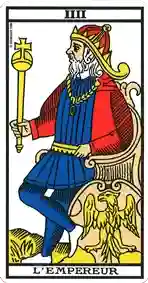 arcana
Structure, stabilité, cadre. Parle de construction solide, responsabilité, sécurité matérielle, consolidation d’un projet.
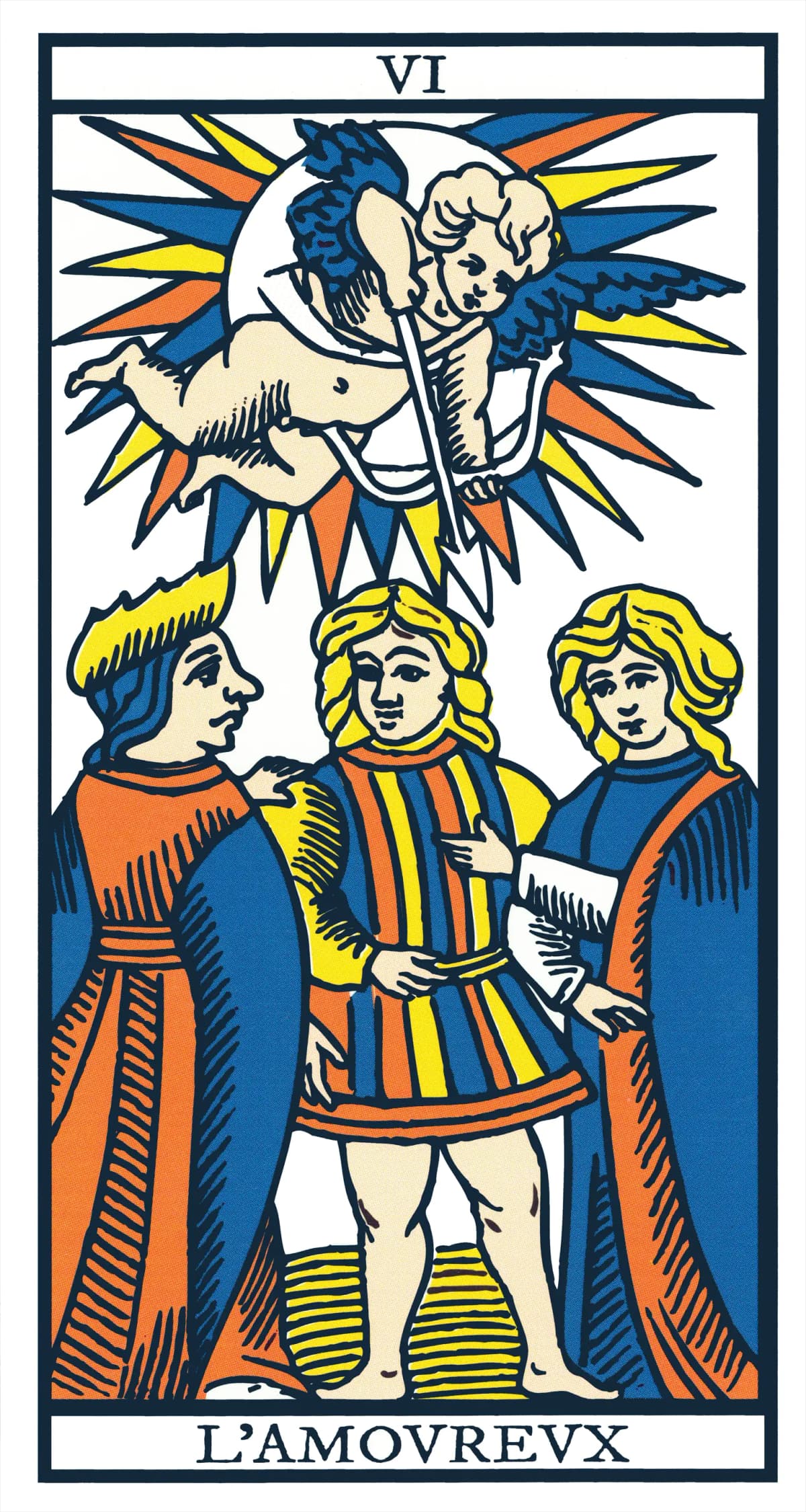 arcana
Choix, lien, désir. Met en lumière une décision relationnelle, un alignement cœur/esprit, ou un dilemme à trancher.
Carte du tarot considérée comme porteuse d’un principe symbolique, d’une dynamique ou d’une étape de l’expérience humaine.
Carte appartenant au groupe des 22 lames majeures du Tarot de Marseille, porteuses des grandes structures symboliques du jeu.
Carte appartenant aux quatre séries mineures du tarot : bâtons, coupes, épées et deniers.
Symbolic and personal reading: does not replace professional advice (medical, legal, financial).