
Tarot de Marseille
France, 17th–18th century — 78 cards
The most iconic Western tarot, rooted in centuries of French tradition.
Major Arcana
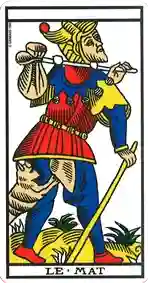
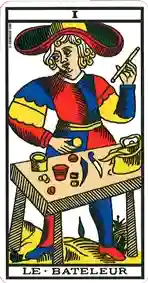
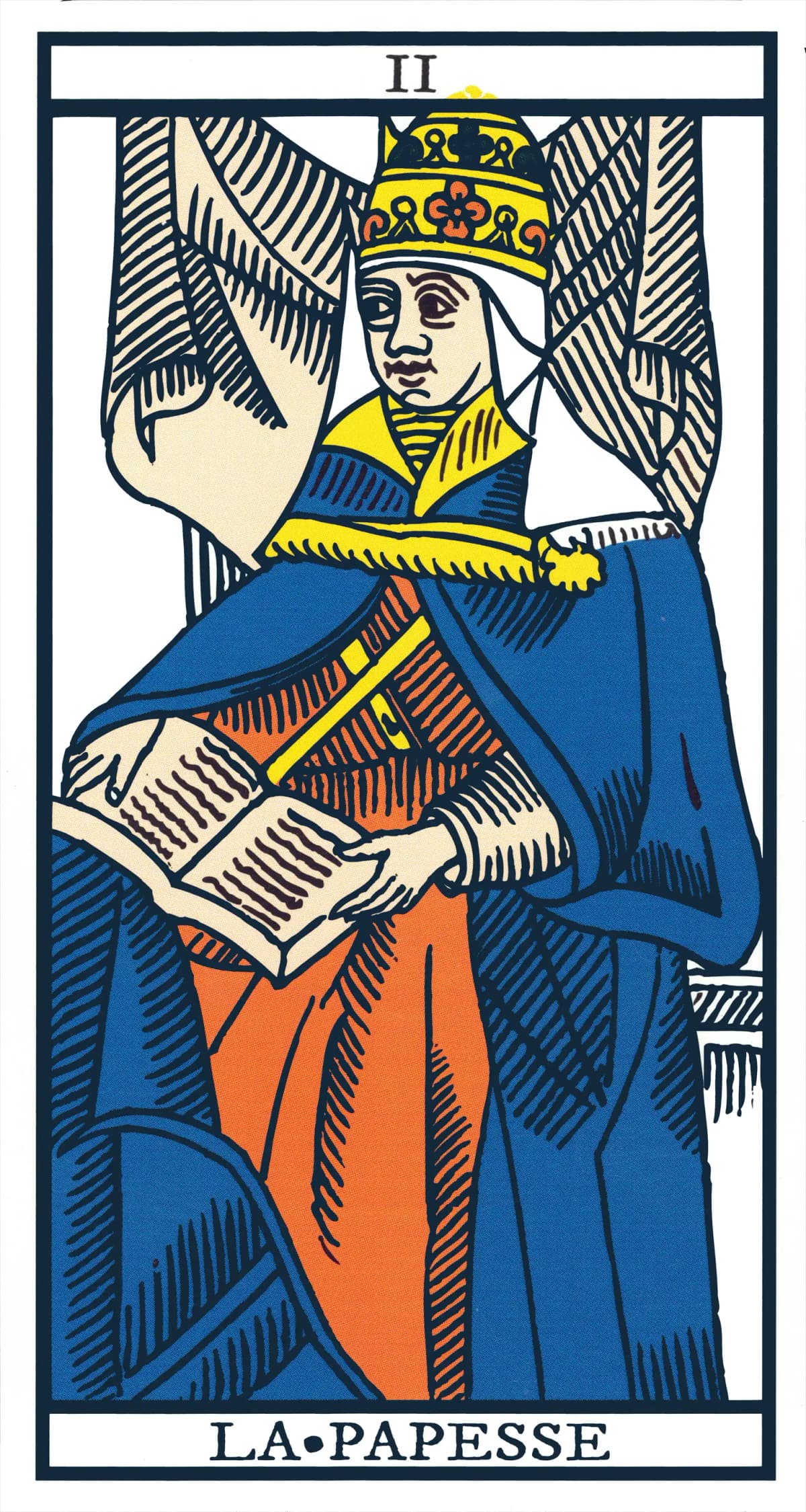
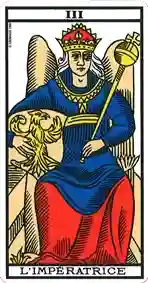
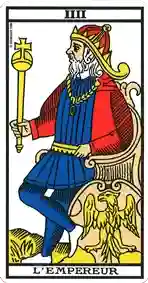
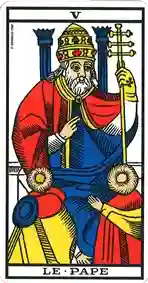
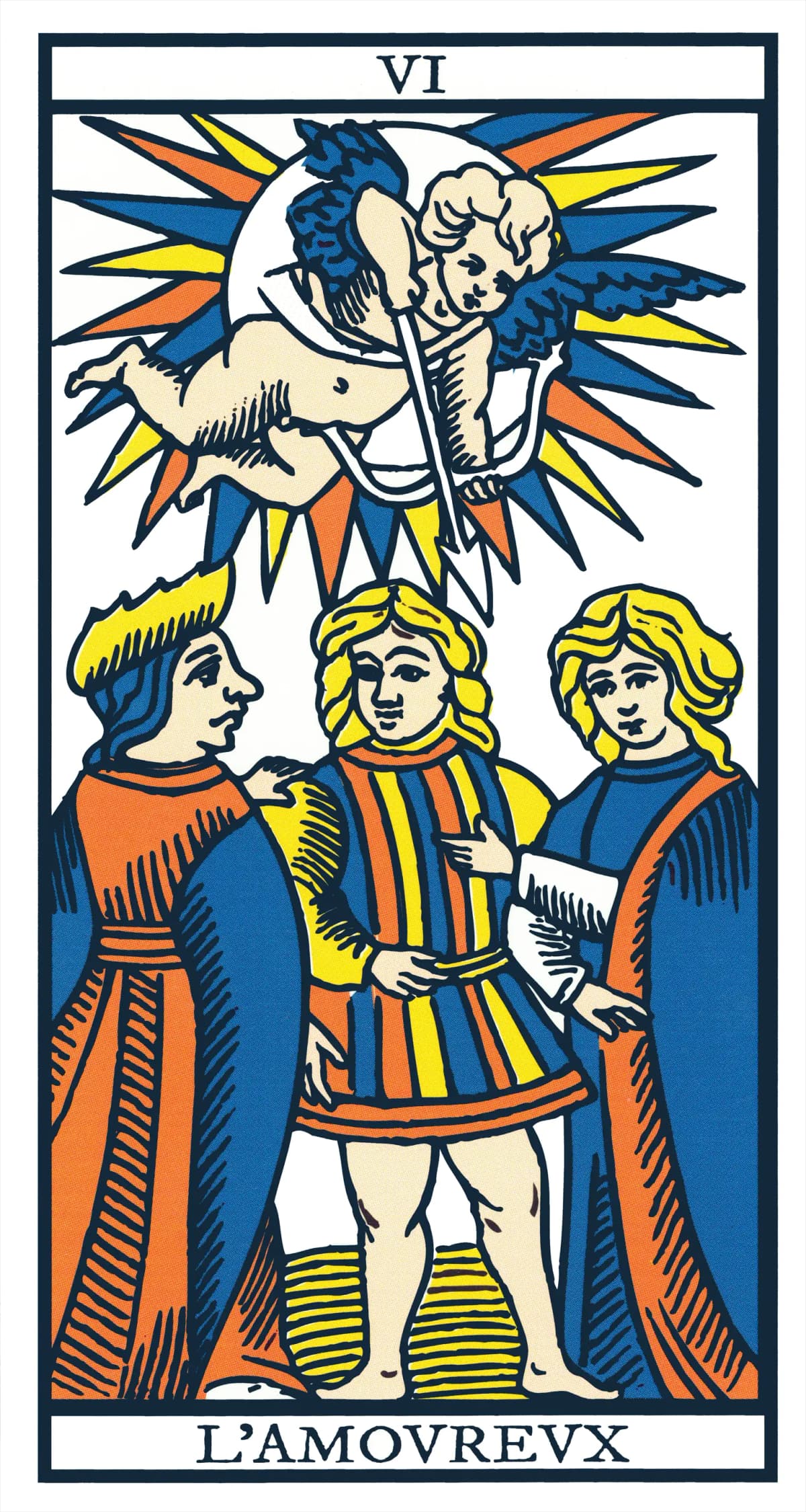
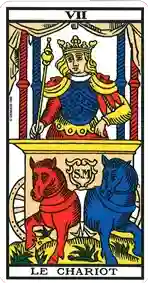
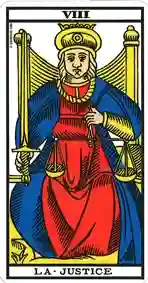
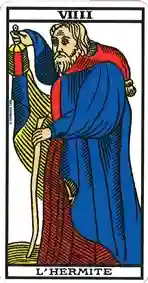
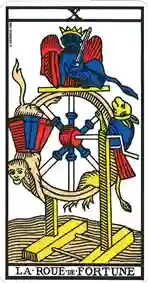
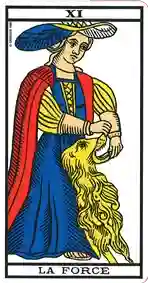
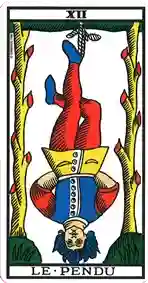
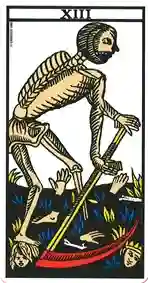
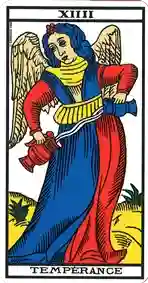
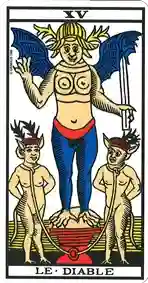
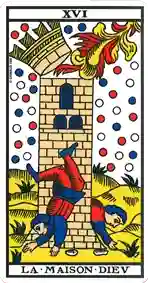
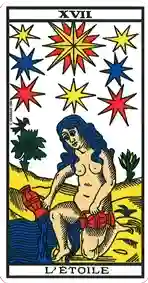
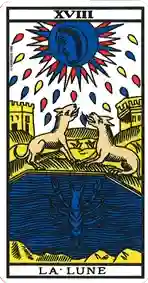
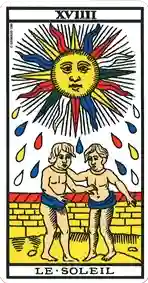
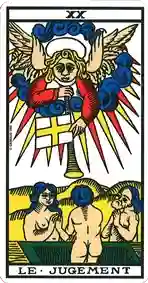
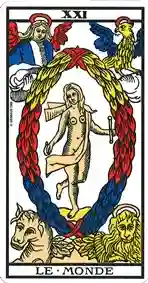
The 22 major arcana form the spiritual backbone of the tarot. Each card represents a universal archetype, a stage of the soul's journey.
Minor Arcana
The Tarot de Marseille: the classical Western tarot
A tradition, not a single deck
The Tarot de Marseille is not one fixed object but a family of related decks, born in the workshops of European card-makers between the 15th and 18th centuries. The name took hold because of the importance of the Marseille engravers in spreading these models, but masters such as Jean Noblet, Jean Dodal and Nicolas Conver each left their own version, sharing a common visual language.
Historians distinguish a Type I, the older and less stabilised form, from a Type II, the more standardised models that became the canonical image of the deck. Understanding that the Marseille is a lineage rather than a single design is the key to reading it with historical perspective.
A sober, structural imagery
What sets the Marseille apart is the sobriety of its minor arcana, which are not illustrated with scenes as in the Rider-Waite-Smith. This restraint favours a structural reading built on number, suit and the relationships between cards, rather than on narrative illustration. Each colour, gesture and posture of the major arcana carries meaning, and learning to see them is learning to read the tarot in its own language.
How to read this deck
On this page you can explore the twenty-two major arcana of the Marseille tradition, from the Magician to the World by way of the Fool. Each opens onto a detailed guide of its symbolism and meaning. Read alongside the glossary, they let you situate this deck in its long cultural history and approach its cards with both knowledge and freedom.